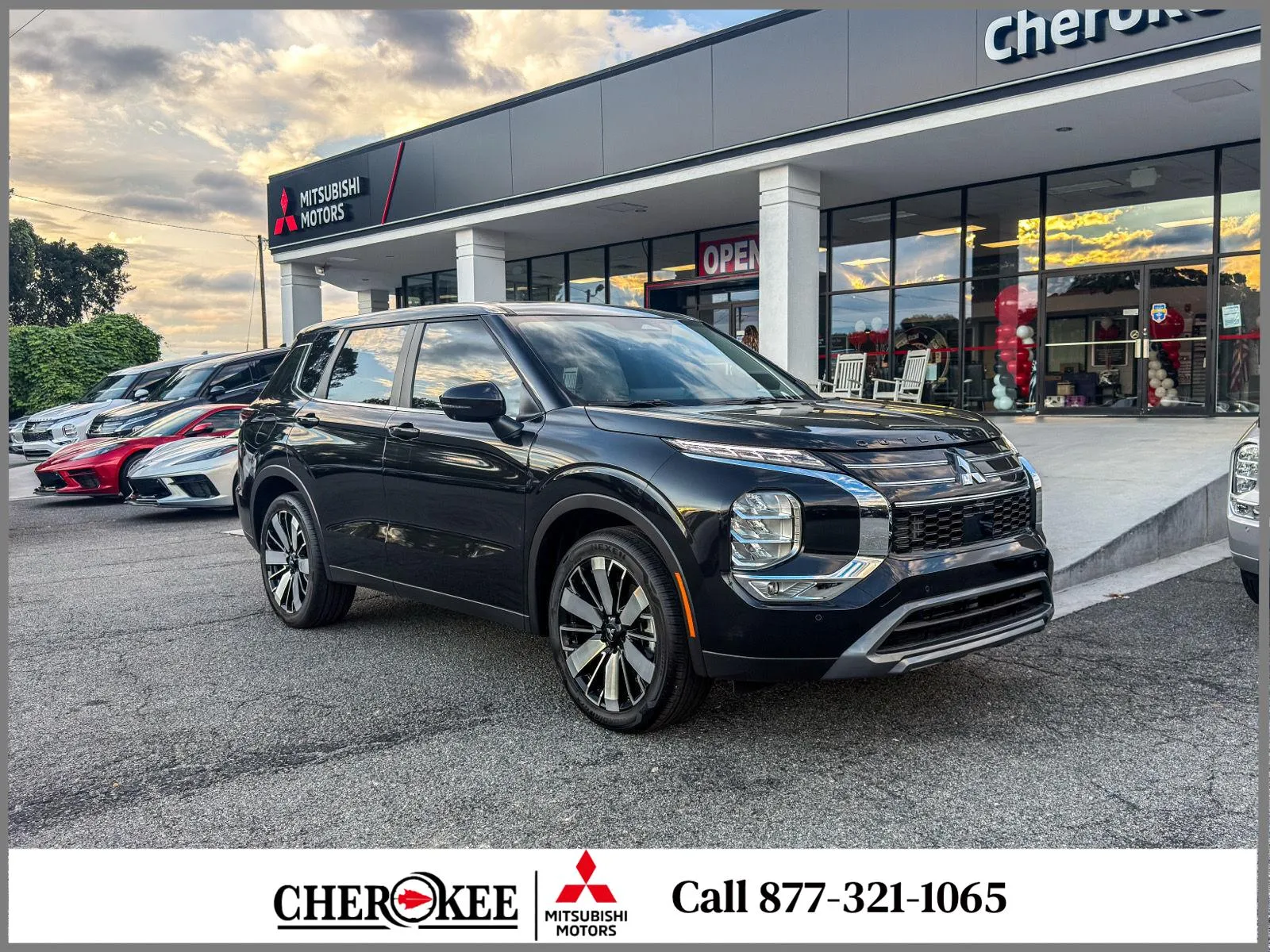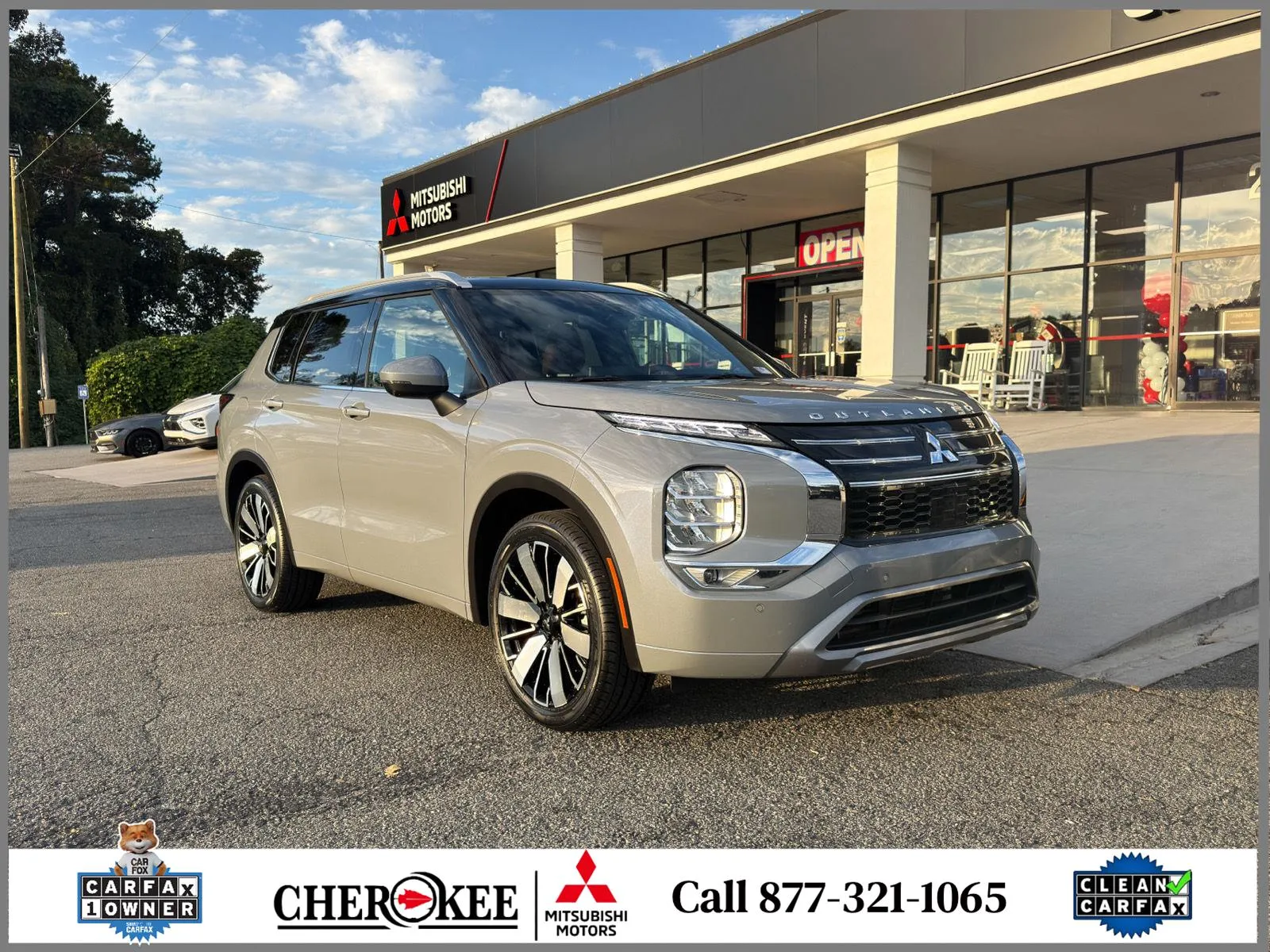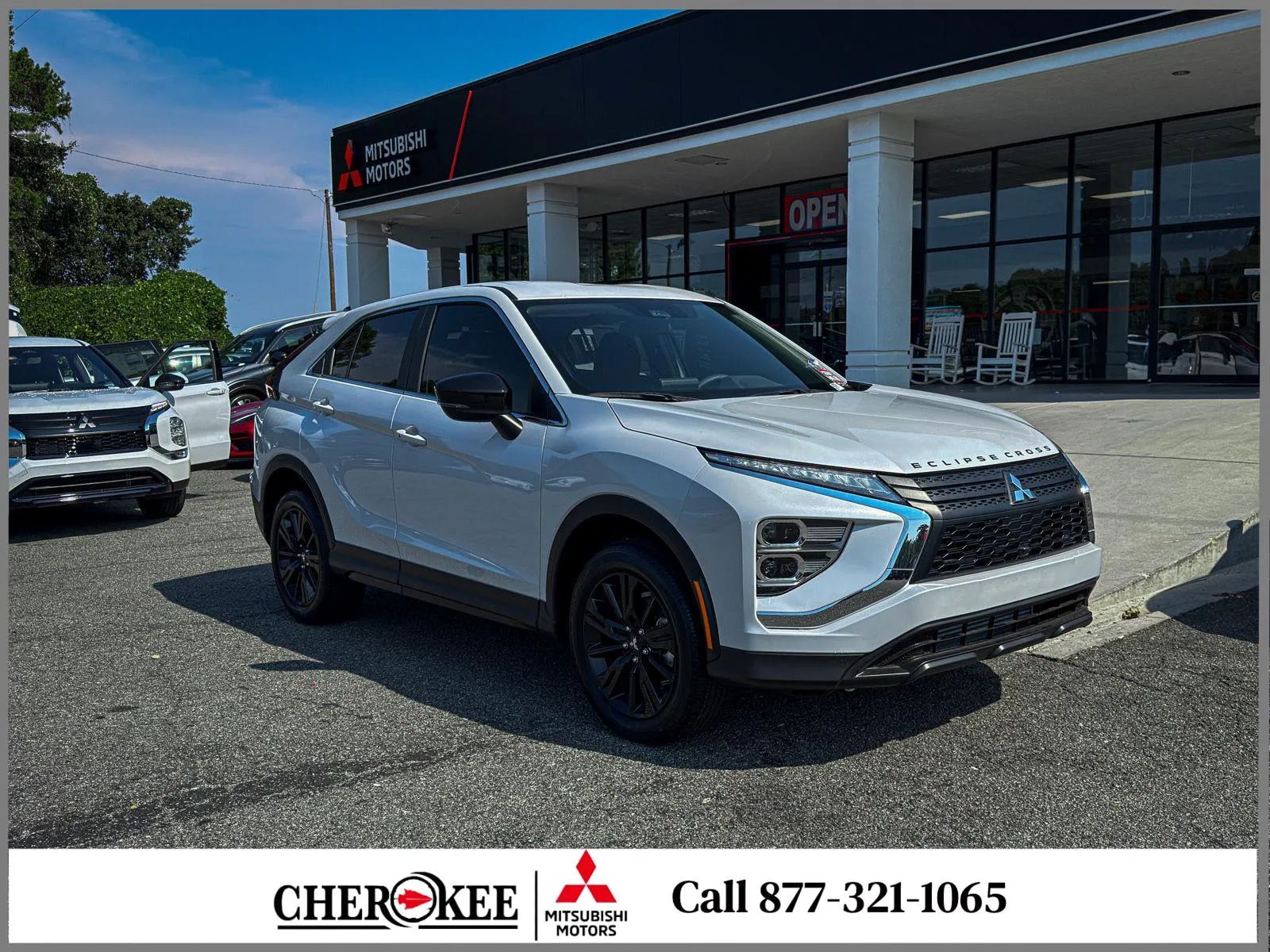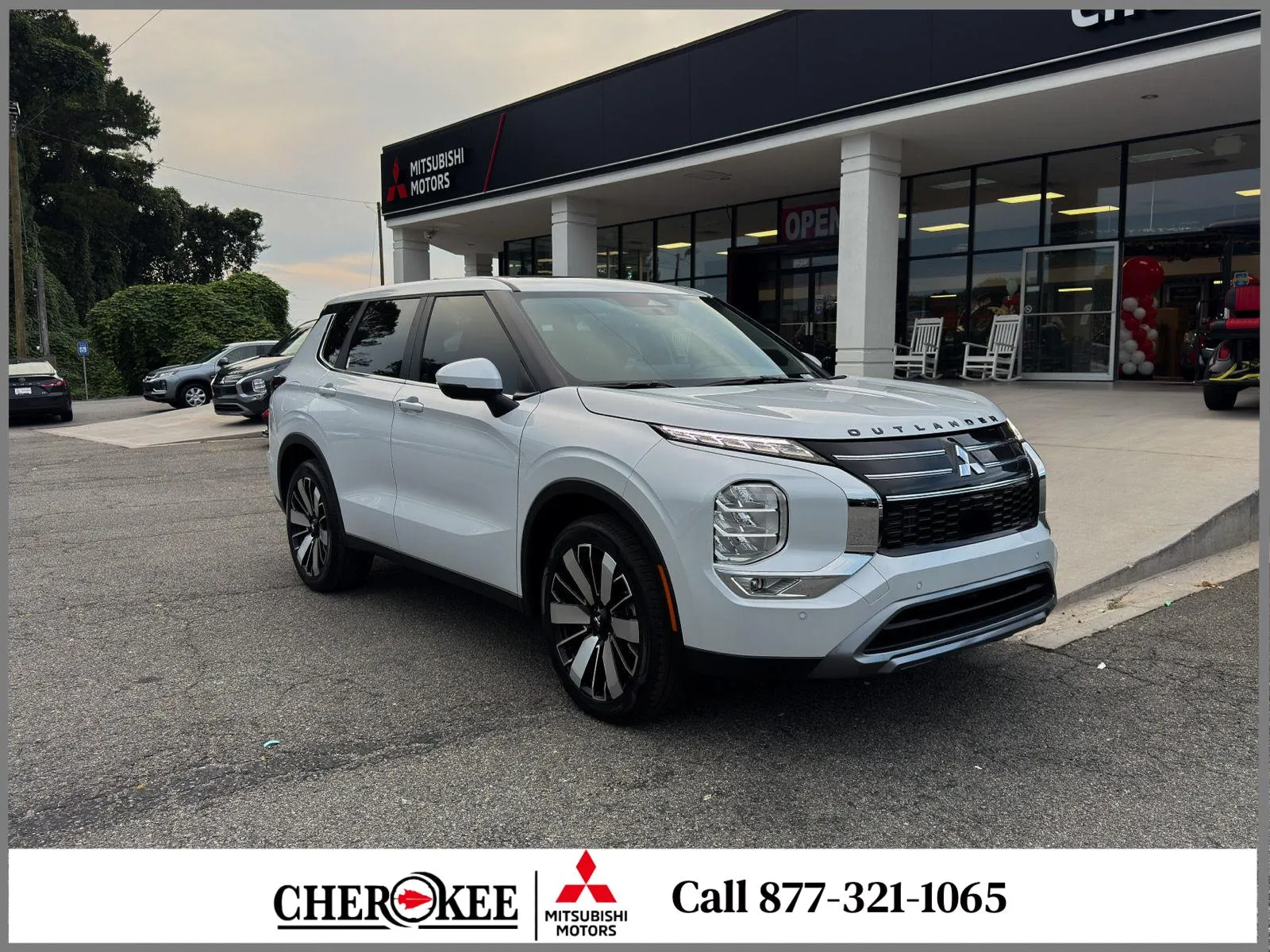
What Key Features Make a Crossover Ideal for Heavy Metro Atlanta Traffic During Holiday Travel?
What Key Features Make a Crossover Ideal for Heavy Metro Atlanta Traffic During Holiday Travel?
An ideal crossover for heavy Metro Atlanta holiday traffic combines adaptive cruise control with stop-and-go functionality, forward collision mitigation, real-time navigation integration, and blind-spot monitoring with rear cross-traffic alert. These driver-assist systems reduce stress during unexpected interstate slowdowns, while comfortable multi-zone climate control and seamless smartphone integration keep families relaxed during extended bumper-to-bumper delays on major travel corridors.
Navigating holiday travel across Cherokee County requires a vehicle tailored to sudden speed shifts, heavy gridlock, and unpredictable weather changes. Holiday congestion frequently stretches along the I-575 corridor through Woodstock, where stop-and-go traffic can turn a brief afternoon errand into an extended drive. Crossovers designed with proactive driver-assist technologies allow drivers to navigate these dense traffic conditions with enhanced composure and control.
Beyond active driver-assistance tools, cabin comfort plays an essential role during peak holiday travel. Integrated touchscreen controls with smartphone integration through Apple CarPlay and Android Auto give drivers instant access to real-time traffic rerouting, helping avoid major highway bottlenecks before reaching congestion points. Features like advanced airbags, multi-zone automatic climate settings, and ergonomic seating ensure that every passenger remains safe and comfortable throughout the journey.
Preparing your vehicle before embarking on long holiday drives is equally critical for driver safety. The Georgia Department of Transportation routinely schedules weekend lane closures on major state highways, making route planning and vehicle readiness essential. Checking tire tread depth, verifying brake response, and ensuring proper fluid levels before departure prevents unexpected mechanical issues. Drivers interested in evaluating vehicle options or scheduling pre-trip maintenance can drop by our Canton showroom location or give our team a call to prepare their vehicle for the road ahead.
Table of Contents
- How Do Adaptive Cruise Control and Driver-Assist Tech Handle I-75 Congestion?
- Which Crossovers Offer the Best Cargo Space and Storage Options for Holiday Road Trips?
- How Does PHEV Electric Range Compare to Hybrid Efficiency on Long Highway Drives?
- Do Cherokee County Drivers Really Need All-Wheel Drive for North Georgia Winters?
- What Impact Does AWD Have on Crossover Tire Wear and Maintenance Schedules?
- Common Questions About Holiday Travel Vehicles
How Do Adaptive Cruise Control and Driver-Assist Tech Handle I-75 Congestion?
Adaptive cruise control with stop-and-go handles heavy I-75 congestion by automatically adjusting vehicle speed to maintain a preset distance from the car ahead, bringing the crossover to a complete stop when traffic halts and resuming speed when traffic moves. Combined with lane departure warning and forward collision mitigation, these integrated safety systems significantly reduce driver fatigue during repetitive highway slowdowns.
When navigating congested interstate corridors around Atlanta, driver-assist systems function as an attentive co-pilot. Advanced radar sensors and forward-facing cameras continuously monitor surrounding traffic speeds. If a vehicle ahead brakes suddenly, forward collision mitigation provides visual and audible alerts while automatically applying braking pressure to help prevent or soften an impact. Meanwhile, lane keep assist gently corrects steering inputs if the vehicle begins to drift out of its designated lane without a turn signal.
Sophisticated driver-assist suites like MI-PILOT Assist with Navi-link take highway helper tech a step further by integrating navigation map data. The system reads upcoming highway curves, speed limit adjustments, and exit ramps, automatically moderating vehicle speed before entering tight turns. This predictive speed management creates a smoother, more fluid ride on crowded freeways, eliminating abrupt braking and jerky acceleration cycles.
For budget-conscious shoppers looking for modern safety features without sacrificing value, exploring an affordable pre-owned selection offers access to advanced driver-assist suites at an approachable price point. Having access to features like blind-spot warning and rear cross-traffic alert brings added confidence when changing lanes amid heavy holiday freight and commuter traffic.
Which Crossovers Offer the Best Cargo Space and Storage Options for Holiday Road Trips?
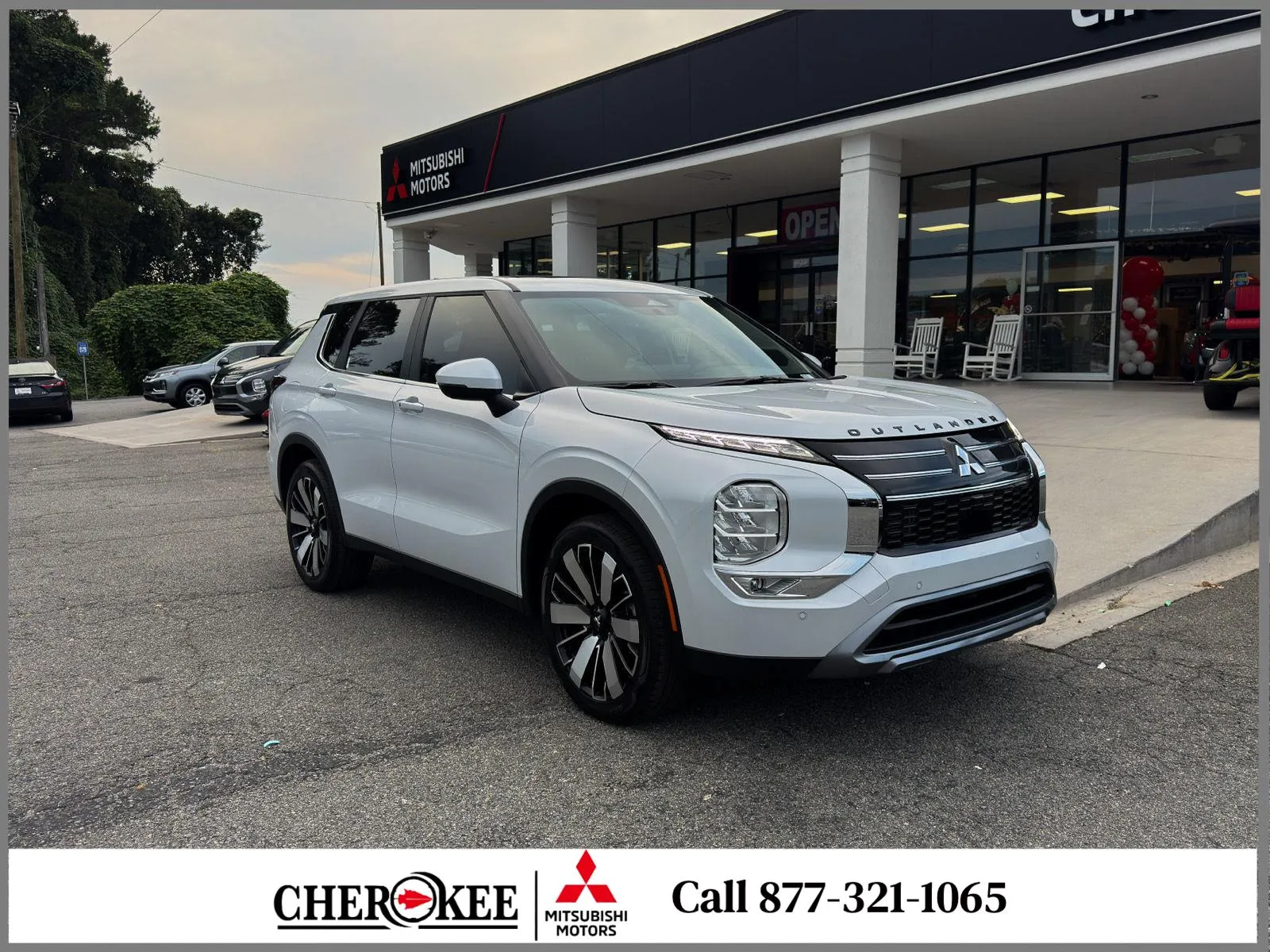
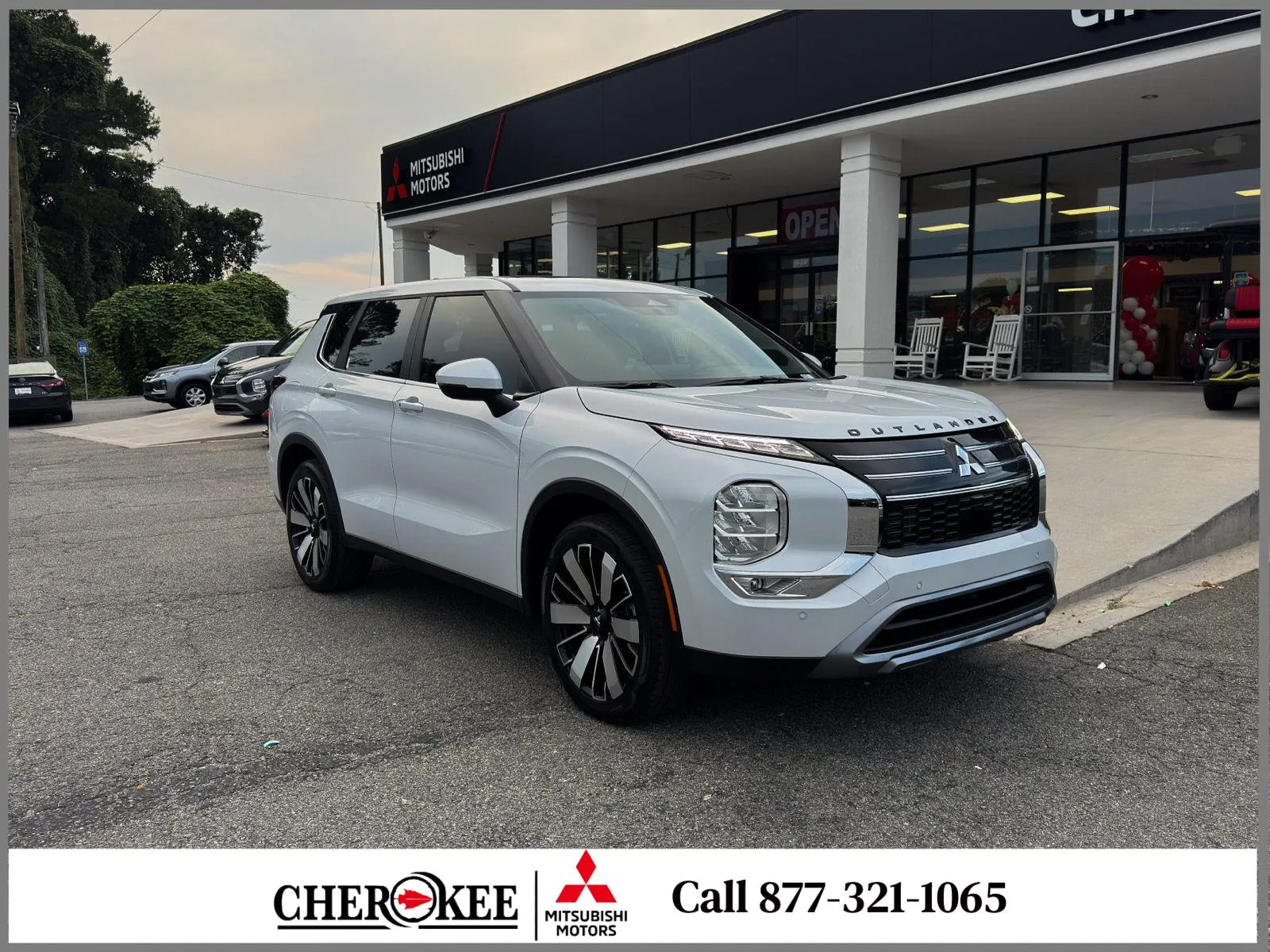
The Mitsubishi Outlander leads its class in versatile interior storage, providing up to 31 cubic feet of cargo space behind the second row and expanding to roughly 65 cubic feet with the rear seats folded flat. Featuring a standard 50/50 split-folding third row and 60/40 split-folding second row, crossovers offer maximum flexibility for balancing passenger seating with bulky holiday luggage, wrapped gifts, and outdoor equipment.
Managing cargo for long holiday road trips requires a thoughtful interior layout. Families comparing crossover options on our showroom floor usually test the third-row split-folding sequence and verify rear cargo width for luggage before setting out on a test drive. The ability to fold down one side of the rear seat allows long items—such as skis, golf bags, or large holiday packages—to slide in easily while preserving comfortable seating for family members in the remaining seats.
When interior capacity is fully utilized by passengers, exterior storage accessories provide essential extra space. Aerodynamic hardshell cargo boxes mounted directly to factory roof crossbars offer weatherproof, secure storage for suitcases and duffel bags without compromising interior legroom. Adding all-weather cargo trays, seatback organizers, and durable floor liners protects the vehicle interior from wet mud, spilled drinks, and winter road debris.
Drivers searching for a versatile family vehicle with generous cargo dimensions and strong long-term warranty protection can browse our certified pre-owned Mitsubishi lineup. Each certified model undergoes a comprehensive multi-point inspection to ensure every split-folding seat mechanism, latch, and tie-down anchor functions like new for holiday travels.
How Does PHEV Electric Range Compare to Hybrid Efficiency on Long Highway Drives?
Plug-in hybrid electric vehicles (PHEVs) offer an all-electric driving range for short daily trips alongside efficient gas-electric hybrid operation for long highway drives, eliminating range anxiety during extended travel. On long highway trips beyond the initial electric charge, a PHEV transitions seamlessly into conventional hybrid operation, matching or exceeding the fuel economy of standard hybrid crossovers.
The Mitsubishi Outlander PHEV features a 20 kWh drive battery paired with twin electric motors and a 2.4-liter engine, delivering an EPA-estimated 38 miles of pure electric driving range on a single charge. For daily errands and local commutes, drivers can travel entirely on electric power without using a drop of gasoline. When embarking on long holiday road trips across Georgia, the vehicle automatically balances engine torque and electric motor output to deliver optimal fuel efficiency over hundreds of highway miles.
Understanding how PHEV powertrains function during highway cruising helps drivers maximize fuel savings. Once the initial electric charge depletes, the internal combustion engine acts as a generator to power the electric motors or directly drives the front wheels at cruising speeds. Regenerative braking captures kinetic energy during deceleration, routing power back into the battery to assist during subsequent acceleration cycles.
Maintaining a hybrid or PHEV powertrain requires specialized technical care, from battery health checks to cooling system flushes. Drivers planning long-distance travel can utilize our flexible service financing options to complete necessary routine maintenance and fluid services before hitting the interstate.
Do Cherokee County Drivers Really Need All-Wheel Drive for North Georgia Winters?
Cherokee County drivers benefit significantly from all-wheel drive during North Georgia winter months due to unexpected black ice, freezing rain, and steep, shaded elevation changes. While front-wheel drive handles dry paved roads, an advanced all-wheel control system provides crucial traction when navigating wet leaves, slick bridges, and unpaved mountain routes.
Winter weather in North Georgia can change rapidly, dropping temperatures below freezing overnight and turning damp road surfaces into hazardous black ice. Elevated overpasses and shaded secondary roads freeze long before primary highway lanes. In rural areas like Gilmer County, where steep gravel driveways and winding mountain foothills are common, having four-wheel traction control prevents wheel slippage when climbing slick inclines or pulling out of unpaved intersections.
Mitsubishi's proprietary Super All-Wheel Control (S-AWC) system goes beyond traditional all-wheel drive by managing driving and braking forces at each individual wheel. Combining Active Yaw Control (AYC) with electronic stability control, S-AWC actively routes torque to the wheels with the most grip. Drivers can utilize the intuitive Drive Mode Selector to choose between distinct driving modes:
| Drive Mode | Surface Condition | Operational Benefit |
|---|---|---|
| Normal | Standard paved roads | Balanced torque distribution for everyday efficiency and stability |
| Tarmac | Dry, winding asphalt | Sharper steering response and enhanced cornering grip |
| Gravel | Loose dirt or unpaved roads | Maximizes traction on unpredictable or rough surfaces |
| Snow | Icy or snow-covered roads | Calibrates throttle and braking to prevent wheel spin on slick surfaces |
| Mud | Deep mud or slush | Allows controlled wheel slip to maintain momentum through soft terrain |
| Eco | Smooth highway cruising | Prioritizes fuel economy while keeping all-wheel control active |
According to guidance from the North Georgia Driving Resource Center, winter drivers should slow down, increase following distance, and avoid using cruise control on wet or icy pavement. Having an advanced S-AWC system provides an added layer of physical control when unexpected weather strikes.
What Impact Does AWD Have on Crossover Tire Wear and Maintenance Schedules?
All-wheel drive systems increase tire wear uniformity when properly maintained but require strict tire rotation intervals every 5,000 to 7,500 miles to prevent drivetrain stress. Because an AWD system continuously monitors and distributes power to all four wheels, unequal tire tread depth can cause mechanical strain on differential and transfer case components.
Maintaining identical tire circumference across all four wheels is critical for all-wheel drive crossovers. If one tire wears significantly faster than the others due to missed rotations or improper inflation, the AWD computer may interpret the slight difference in rotational speed as wheel slip. This causes the system to engage unnecessarily, leading to premature wear on internal clutch packs and transfer case gears.
Key maintenance practices for preserving an AWD crossover drivetrain include:
- Regular Tire Rotations: Rotate tires every 5,000 to 7,500 miles to ensure even tread wear across front and rear axles.
- Tread Depth Matching: Replace tires in full sets of four, or ensure replacement tires match the existing tread depth within 2/32 inches.
- Drivetrain Fluid Services: Inspect and replace transfer case fluid and rear differential oil according to manufacturer mileage intervals.
- Cold Tire Pressure Checks: Verify tire pressure monthly when tires are cold, using the driver-door-jamb placard specs rather than the tire sidewall maximum.
Following these practical tire and drivetrain maintenance steps keeps your crossover operating efficiently while protecting comprehensive drivetrain warranty coverage.
Common Questions About Holiday Travel Vehicles
Q: Is all-wheel drive necessary for driving through Metro Atlanta in winter?
Front-wheel drive is sufficient for typical dry or light rain conditions on Metro Atlanta highways. However, all-wheel drive provides superior acceleration traction during sudden winter downpours, black ice events, and steep driveway climbs throughout North Georgia. Systems like Mitsubishi S-AWC automatically adjust power distribution to prevent wheel slip on slick surfaces.
Q: How does real-time traffic routing work with Apple CarPlay and Android Auto?
Real-time traffic routing connects your smartphone's navigation apps directly to the crossover's touchscreen display. By continuously analyzing live GPS data, construction alerts, and road closures, the system automatically suggests alternate routes around unexpected traffic jams before you reach highway slowdowns.
Q: What emergency items should be kept in a crossover during winter travel?
A winter emergency kit should include heavy blankets, bottled water, non-perishable snacks, a flashlight with extra batteries, jumper cables or a portable jump pack, an ice scraper, a first-aid kit, phone chargers, and reflective roadside warning flares.
Q: Does driving an all-wheel drive vehicle require special brake maintenance?
Brake pads and rotors on AWD crossovers wear at rates similar to front-wheel drive vehicles, but electronic brake-based vectoring systems use minor braking adjustments during cornering. Having certified technicians inspect brake pad thickness and fluid condition during routine tire rotations ensures reliable stopping performance.
Q: What roadside support is available if a breakdown occurs during a holiday trip?
Mitsubishi owners receive 5-year/unlimited-mile roadside assistance coverage, which includes emergency towing, battery jump-starts, flat tire changes, and fuel delivery. For immediate assistance, drivers can contact Mitsubishi Roadside Assistance: 1-888-648-7820 to connect with authorized service providers.
Prepare Your Vehicle for Safe Holiday Travel
Whether you are navigating daily highway commutes or packing up for a multi-state family road trip, having a safe, practical, and reliable crossover makes all the difference. Our knowledgeable team at Cherokee Mitsubishi is here to assist with everything from pre-trip safety inspections to helping you explore our versatile vehicle lineup.
If you are looking to upgrade your haul capability for holiday gear, explore our new truck inventory or check out our spacious three-row crossover lineup. When you are ready to schedule a test drive or service appointment, visit our Canton location at 2255 Marietta Hwy, Canton, GA 30114, or call us directly at (877) 321-1065 today.